Every year, hundreds of workers suffer serious injuries or worse during equipment servicing—events that could have been prevented with a single, consistent practice: lockout/tagout (LOTO). Despite widespread awareness, lapses in LOTO procedures remain a top cause of preventable industrial accidents. That's why toolbox safety talks on lockout/tagout aren’t just regulatory checkboxes—they're lifelines.
This isn't about memorizing policy manuals. It's about creating a culture where every technician, mechanic, and supervisor treats energy isolation like second nature. The goal? Zero unexpected startups. Zero exposure to hazardous energy. And zero excuses.
Here’s how to make your next LOTO safety talk not only compliant but truly impactful.
Why Lockout Tagout Fails—And Who Pays the Price
LOTO doesn’t fail because the rules are unclear. It fails because of assumptions, urgency, and procedural shortcuts. Consider this real-world incident:
A maintenance technician at a Midwest packaging plant bypassed the lockout on a conveyor system, assuming it was de-energized. A coworker, unaware of the work, remotely restarted the line. The result: a crushed hand and six months of downtime for the company.
This wasn’t a failure of knowledge—it was a failure of enforcement and communication.
Common breakdowns include: - “Quick fixes” without isolation – Workers believe a 2-minute repair doesn’t need full LOTO. But 120 seconds is all it takes for catastrophe. - Shared locks or missing tags – One lock missing, one tag unreadable, and the entire chain of safety is compromised. - Inadequate training for temporary workers – Contract or seasonal staff often aren’t fully brought into the LOTO loop, creating blind spots.
Every LOTO safety talk must reinforce that no job is too small to skip the protocol.
The Core Components of an Effective LOTO Safety Talk
A powerful safety talk doesn’t recite standards—it connects them to daily reality. Structure your LOTO toolbox session around these non-negotiable elements:
1. Clear Definition of Hazardous Energy Workers must recognize that hazardous energy isn’t just electrical. It includes: - Mechanical (moving parts, springs, gravity) - Hydraulic and pneumatic pressure - Chemical and thermal energy - Stored energy in capacitors or flywheels
Example: When servicing a hydraulic press, residual pressure in the lines can cause sudden movement—even after power-down.
2. Step-by-Step Isolation Process Walk through the OSHA-recommended sequence:
- Prepare for shutdown – Identify all energy sources.
- Notify affected employees – Communicate the work window.
- Shut down the machine – Use proper controls, not just power buttons.
- Isolate energy sources – Lock out disconnects, valves, circuits.
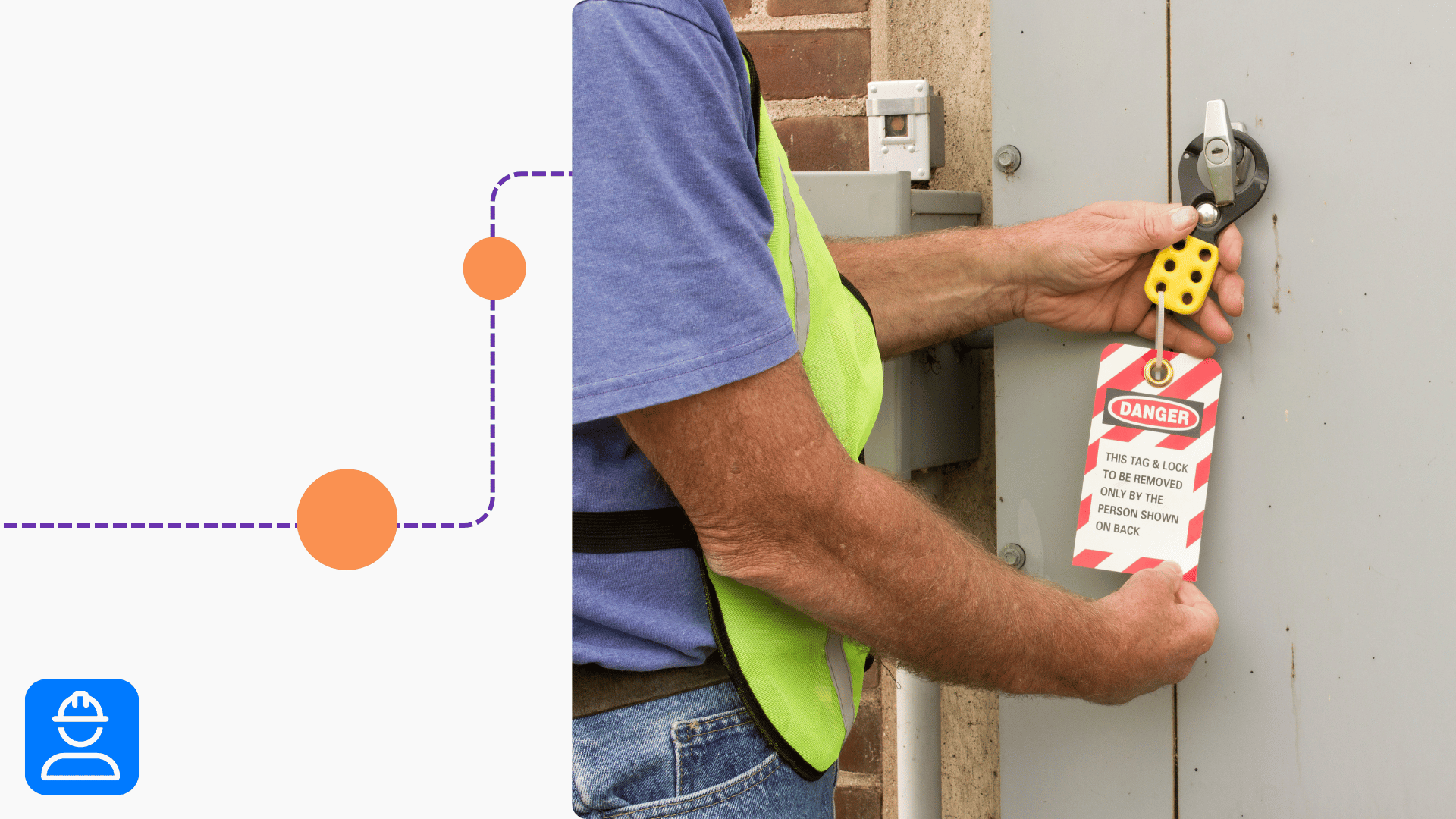
- Apply locks and tags – Each worker uses their personal lock.
- Release stored energy – Bleed lines, block moving parts, ground circuits.
- Verify isolation – Attempt to restart (safely) to confirm zero energy.
Pro Tip: Always perform verification after all safeguards are in place. Never assume—test.
3. Personal Responsibility and Lock Accountability Each worker applies their own lock and retains the key. Group locks are acceptable only when coordinated under a primary authorized employee.
Emphasize: - No one removes another person’s lock. - Tags must include the worker’s name, date, reason, and expected return time. - Locks are not shared, borrowed, or left unattended.
4. Real-World Scenarios and “What If” Drills Present hypotheticals:
- “The machine tripped during servicing—can you re-energize it?”
- “Your tag is faded—does that still count as a valid warning?”
- “A supervisor asks you to skip LOTO for production—what’s your move?”
These discussions reveal gaps in judgment and compliance culture.
Common LOTO Mistakes That Undermine Safety
Even well-trained teams fall into traps. Highlight these recurring errors during safety talks:
Misunderstanding “Zero Energy” Just turning off a machine isn’t enough. Workers often forget: - Capacitors can hold charge for hours. - Gravity can cause unsecured parts to fall. - Pneumatic systems may slowly repressurize.
Fix: Always bleed, block, and verify—every single time.
Tagout Without Lockout Tags alone don’t physically prevent startup. They’re warnings, not safeguards. Relying solely on tags—especially in high-traffic areas—invites accidental reactivation.
Rule: If you can lock it, you must. Tags supplement, never replace, physical locks.
Incomplete Machine Coverage Machines often have multiple energy inputs. A conveyor may draw power from three sources: main electrical, hydraulic pump, and air compressor. Failing to isolate all three is a critical flaw.
Checklist Tip: Use a LOTO map or energy source diagram for complex equipment.
Integrating LOTO Into Daily Workflows
Safety talks aren’t one-offs. They’re the start of operational integration. Use these strategies to embed LOTO into daily routines:
Pre-Work Huddles
with LOTO Check-Ins
Before any maintenance, ask: - “Have all energy sources been identified?” - “Are all locks applied and verified?” - “Is everyone accounted for before re-energizing?”
This turns protocol into habit.
Visual Aids at Machine Stations Post laminated LOTO procedures near high-risk equipment. Include: - Energy source locations - Step-by-step isolation guide - Emergency contacts
Visuals reduce reliance on memory during high-stress repairs.
LOTO Audits and Peer Reviews Schedule monthly checks where team members audit each other’s lockout practices. Rotate reviewers to avoid complacency.
Authorized vs. Affected Employees: Know the Difference
Not everyone needs full LOTO training—but everyone needs clarity on their role.
| Role | Responsibilities | Training Required |
|---|---|---|
| Authorized Employee | Performs maintenance, applies locks, verifies isolation | Full LOTO program, hands-on practice |
| Affected Employee | Operates or uses equipment, does not perform servicing | Awareness of LOTO purpose and procedures |
Misclassifying employees leads to untrained staff attempting lockout—a direct compliance violation.
Example: A machine operator asked to clear a jam without lockout training is set up for failure. Either reclassify and train them, or ensure only authorized personnel handle the task.
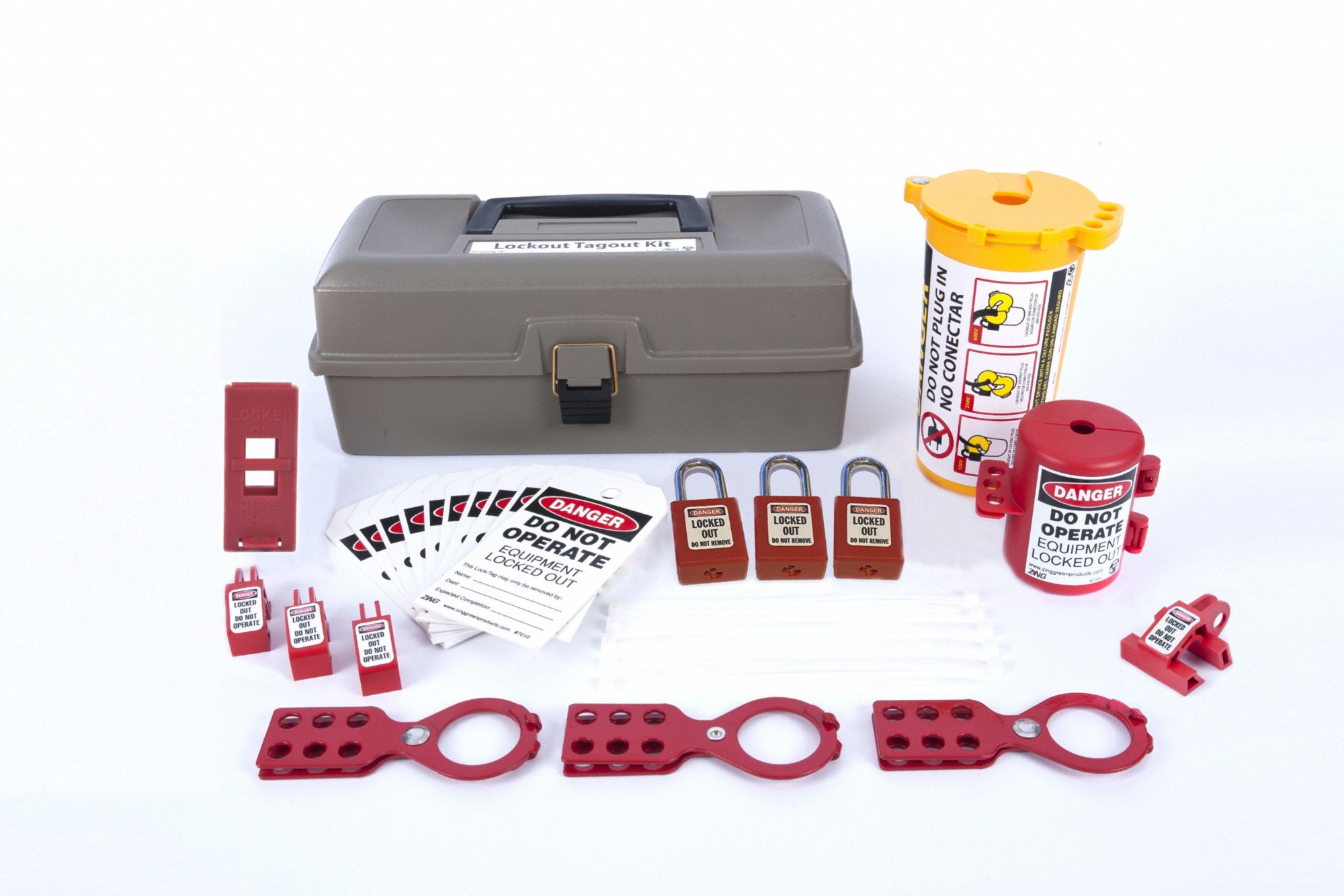
Tools and Equipment That Strengthen LOTO Compliance Using the right gear reduces errors and reinforces discipline. Here are five essential tools for any LOTO program:
- Personal Lockout Devices
- - Durable hasp locks with unique keys
- - Color-coded by department or shift
- - Benefit: Ensures individual accountability
- Tagout Tags with Weather-Resistant Material
- - Pre-printed fields for name, date, reason
- - Tamper-evident design
- - Benefit: Clear, lasting communication
- Lockout Hasps and Valve Locks
- - Allow multiple locks on one isolation point
- - Fit standard electrical disconnects and pneumatic valves
- - Benefit: Supports group servicing safely
- Energy Isolation Kits
- - Portable kits with locks, tags, circuit breakers, and bleed tools
- - Benefit: Ensures readiness for mobile or remote repairs
- LOTO Management Software
- - Digital tracking of lock applications, durations, and personnel
- - Alerts for overdue removals
- - Benefit: Adds oversight and audit trail
These tools aren’t luxuries—they’re force multipliers for safety culture.
When LOTO Procedures Break Down—And How to Recover
Even with training, things go wrong. What matters is the response.
Scenario: A Lock Was Removed Prematurely A supervisor removes a lock, thinking work is complete. The technician is still inside the machine.
Immediate Actions: - Shut down all operations. - Account for all personnel. - Investigate why the lock was removed.
Follow-Up: - Reinforce “only the owner removes the lock” rule. - Review communication gaps. - Retrain as needed.
Incidents like this shouldn’t lead to blame—they should trigger process improvement.
Making LOTO Talks Stick: From Compliance to Culture
The most effective LOTO safety talks end with action. Don’t just inform—engage.
- Assign a “LOTO Champion” each month – Rotates responsibility for leading talks, audits, and feedback.
- Use near-miss reporting – Celebrate when someone catches a LOTO error before harm occurs.
- Conduct surprise drills – Simulate a repair scenario and evaluate real-time compliance.
When workers take ownership, compliance becomes culture.
Final Takeaway: A lockout/tagout safety talk is only as good as the behaviors it changes. Use real stories, clear steps, and relentless reinforcement to ensure every worker walks away not just informed—but committed. Start your next talk with this question: “What if skipping LOTO today meant someone doesn’t go home tonight?” That’s the weight of the key in your hand. Treat it that way.
FAQ
What should you look for in Lockout Tagout Safety Talk Essentials Every Team Needs? Focus on relevance, practical value, and how well the solution matches real user intent.
Is Lockout Tagout Safety Talk Essentials Every Team Needs suitable for beginners? That depends on the workflow, but a clear step-by-step approach usually makes it easier to start.
How do you compare options around Lockout Tagout Safety Talk Essentials Every Team Needs? Compare features, trust signals, limitations, pricing, and ease of implementation.
What mistakes should you avoid? Avoid generic choices, weak validation, and decisions based only on marketing claims.
What is the next best step? Shortlist the most relevant options, validate them quickly, and refine from real-world results.